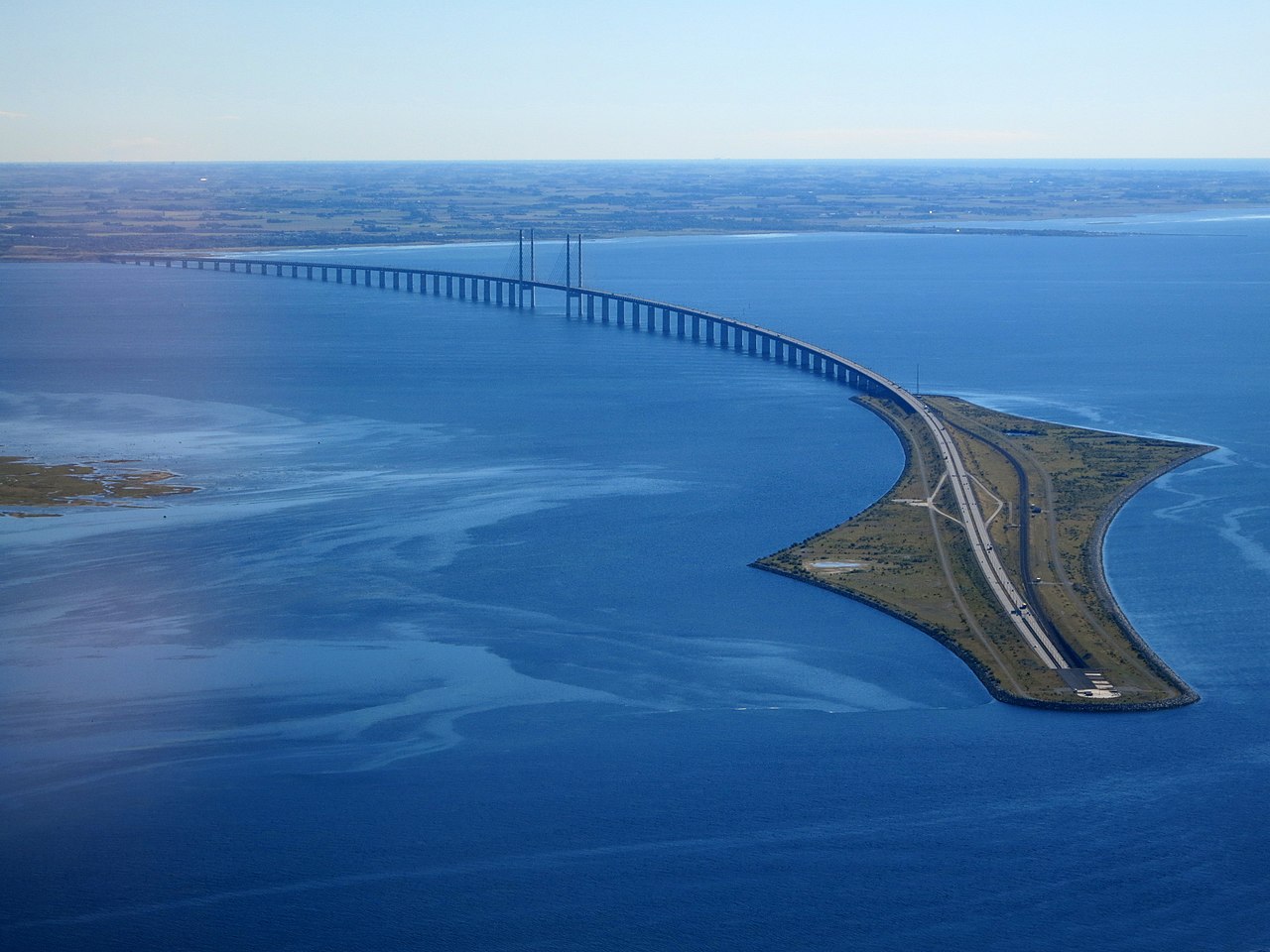
It has become one of the defining stories in Bridge Engineering — and it is reshaping how the sector operates in Sweden. Sweekly spoke with executives, engineers and investors to understand what is really driving the shift, and what it means for the businesses that will live with the consequences.
Local contractors say the pipeline of skilled labor is the binding constraint on delivery.
The financing
Climate resilience — heavier rain, harder freeze-thaw cycles — is now written into the design brief.
The economic case rests on connecting labor markets that today sit just out of reach of one another.
“Get the permitting right and the engineering almost takes care of itself. Get it wrong and nothing else matters.”— Project Director
What could go wrong
Prefabrication has moved much of the risky work off the critical path and into controlled factory conditions.
Engineers describe a design that trades upfront cost for a century of reduced maintenance.
What to watch
- A stable pipeline of skilled civil-engineering labor
- A financing structure that balances public and private capital
- Design margins for a harsher, wetter future climate
- Securing environmental permits within the projected timeline
On the ground
Delays in permitting remain the single biggest risk to the timeline, according to people close to the project.
The financing blends public funds, green bonds and private capital in a structure that is becoming the norm.
The bottom line
Local contractors say the pipeline of skilled labor is the binding constraint on delivery.
Sources & further reading
Written by
Astrid HolmSenior Correspondent, Construction
Astrid has walked the deck of nearly every major crossing built in Scandinavia this decade. She covers the engineering and economics of infrastructure.

Discussion(4)
Excellent analysis. The point about permitting timelines really is the crux of the whole thing.
Would love to see a follow-up on how the smaller players are adapting to this shift.
Would love to see a follow-up on how the smaller players are adapting to this shift.
We're seeing exactly this on the ground. The economics only work once the software ties it together.