
It has become one of the defining stories in Mining — and it is reshaping how the sector operates in Sweden. Sweekly spoke with executives, engineers and investors to understand what is really driving the shift, and what it means for the businesses that will live with the consequences.
Water management is emerging as the environmental battleground for new projects.
The transition at scale
The capital required is enormous — measured in tens of billions — and the payback is measured in decades.
Offtake agreements signed years in advance are underwriting the build-out.
“Capital was never the problem. Permitting is the problem.”— Head of Development
How it works
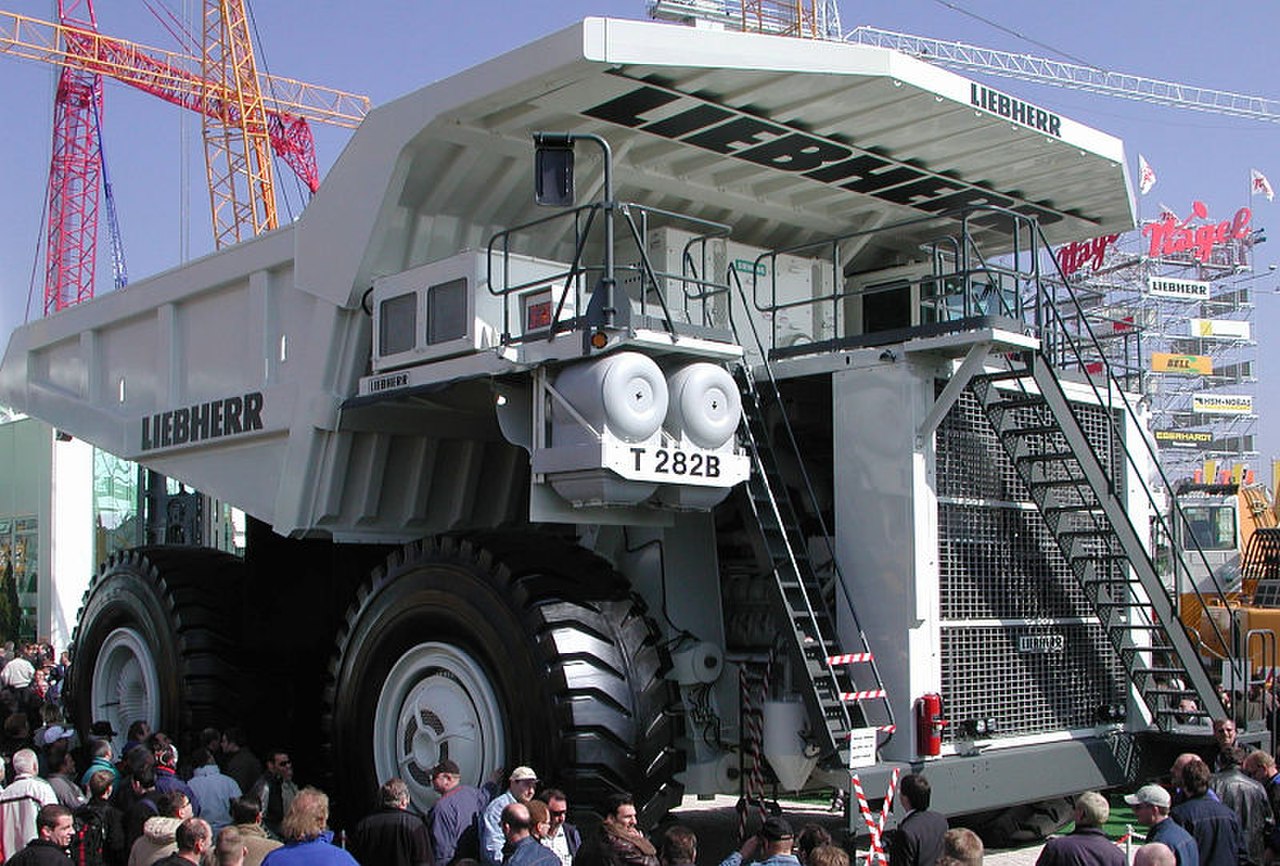
Autonomous equipment is reshaping the economics — and the safety profile — of the deep mine.
Critical minerals have become a matter of European strategic autonomy, not just commercial supply.
What to watch
- Long-term offtake agreements to underwrite capital
- Predictable, faster permitting for new projects
- Abundant, low-cost clean power at the site
- Responsible water and tailings management
The environmental case
Permitting timelines remain the industry's chief complaint and its biggest risk.
Fossil-free production has moved past the demonstration phase and into commercial volumes.
The bottom line
Water management is emerging as the environmental battleground for new projects.
Sources & further reading
Written by
Karin ÖbergEnergy Correspondent
Reporting from the north, Karin covers the fossil-free industrial boom transforming Norrland.


Discussion(4)
Excellent analysis. The point about permitting timelines really is the crux of the whole thing.
This matches what our team has been forecasting for the sector. Well argued.
This matches what our team has been forecasting for the sector. Well argued.
Would love to see a follow-up on how the smaller players are adapting to this shift.