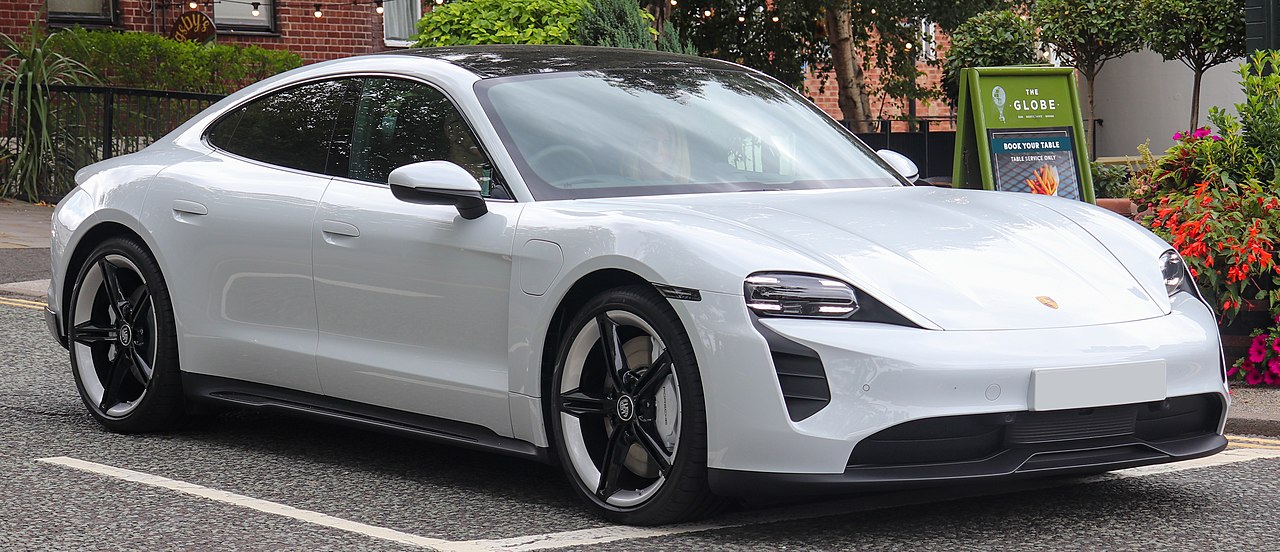
It has become one of the defining stories in Electric Vehicles — and it is reshaping how the sector operates worldwide. Sweekly spoke with executives, engineers and investors to understand what is really driving the shift, and what it means for the businesses that will live with the consequences.
Grid capacity at the depot is the unglamorous bottleneck operators keep running into.
The competition
Battery supply, not vehicle demand, is the constraint the industry is racing to solve.
The freight sector's math is unforgiving, which makes its shift to electric all the more telling.
“The vehicle is becoming a smartphone on wheels. The value is in the software.”— VP of Product
The economics
Range and charging speed, once the sticking points, have quietly ceased to be dealbreakers for most fleets.
Software is becoming the product; the vehicle is increasingly a platform for it.
What to watch
- Software that turns the vehicle into a managed asset
- Grid capacity upgrades at depots and hubs
- A stable, ethically sourced battery supply chain
- Sufficient high-power charging along key freight corridors
The road ahead
The corridor model — high-power hubs spaced along freight routes — is proving out on the longest lanes.
Total cost of ownership now favors electric for a growing share of commercial duty cycles.
The infrastructure question
Residual values are stabilizing as the used-EV market matures.
Grid capacity at the depot is the unglamorous bottleneck operators keep running into.
The bottom line
The freight sector's math is unforgiving, which makes its shift to electric all the more telling.
Sources & further reading
Written by
Oskar AhlgrenRail & Mobility Reporter
Oskar follows the trains, tracks and signalling systems knitting the region together.


Discussion(3)
This matches what our team has been forecasting for the sector. Well argued.
Would love to see a follow-up on how the smaller players are adapting to this shift.
We're seeing exactly this on the ground. The economics only work once the software ties it together.